
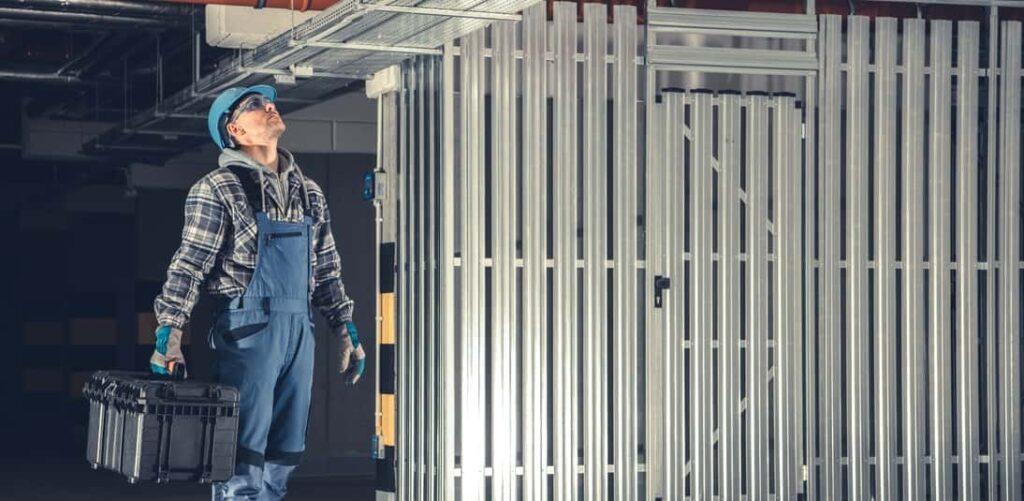
On a commercial renovation, plumbing problems discovered after demolition starts can quickly become schedule problems, budget problems and change orders.
That is why experienced general contractors bring the plumbing subcontractor into the conversation before demo day.
At Roto-Rooter Plumbing & Water Cleanup, we provide plumbing for commercial and industrial remodels and renovations throughout Mobile, Baldwin and Washington Counties. We do not perform plumbing for new construction or new builds. Our role is helping contractors work with existing buildings, existing plumbing systems and all the surprises that can come with them.
When possible, the best time to find those surprises is during pre-construction planning — not after walls and floors are already open.
What plumbing should a GC check before starting demolition?
Before demolition begins, the existing water supply, drain, sewer and fixture connections should be identified and evaluated as much as practical.
The goal is to understand what is staying, what is moving, what is being abandoned and what may already need repair or replacement.
Existing commercial buildings can have plumbing that has been modified several times over the years. Plans may not always reflect what is actually behind a wall or beneath a slab.
A pre-demo plumbing assessment may include:
- Locating existing water supply and drain lines
- Identifying plumbing serving areas being renovated
- Determining the age and visible condition of existing piping
- Looking for older materials such as cast iron or galvanized pipe
- Identifying shutoff valves and isolation points
- Determining where lines will need to be disconnected or capped
- Inspecting accessible plumbing for corrosion, leaks or deterioration
- Reviewing how existing plumbing connects to the proposed renovation
Getting this information early gives the GC, plumber and other trades a much better picture of what they are actually working with.
Should existing sewer lines be camera inspected before a commercial remodel?
In many renovation projects, yes. A sewer camera inspection can help identify existing problems in a sewer lateral before new finishes, fixtures or equipment are connected to it.
A building may appear to have a functioning sewer system while still having developing problems underground.
Depending on the condition of the line, a camera inspection may reveal issues such as deterioration, heavy buildup, roots, offsets, breaks or other restrictions.
Discovering a questionable sewer line before construction gives the project team time to determine how it affects the renovation.
Discovering it after the project is nearly complete can mean removing new flooring, delaying inspections, adjusting other trades or making an unexpected repair when the schedule has very little room left.
For a commercial plumbing remodel in Mobile, AL, assessing existing underground infrastructure can be one of the most valuable steps taken before work begins.
Why do cast iron and galvanized pipes matter during a commercial renovation?
Older cast iron and galvanized piping should be evaluated because its condition may affect whether it makes sense to reconnect new work to the existing system.
The issue is not simply the age of the building. It is the actual condition of the plumbing.
Older galvanized water lines may have internal corrosion or restricted flow. Cast iron drain and sewer piping can deteriorate over time, particularly in sections that are difficult to see from the surface.
A remodel may also expose sections of plumbing that have not been accessible in decades.
That creates an important decision point for the GC and property owner: reconnect the renovation to the existing piping, repair certain sections or address a larger plumbing problem while the building is already under construction.
Making that decision before finishes go back in is usually much easier than making it afterward.
Why should shutoffs and isolation points be confirmed before demo?
The plumbing team needs to know what can be shut down, how it can be isolated and what other areas of the building may be affected before demolition starts.
This is especially important in occupied commercial and industrial facilities.
Shutting down the wrong line could affect another tenant, restroom, breakroom, production area or part of the property that is supposed to remain operational during construction.
Before demo, the project team should have a clear understanding of:
- Which plumbing lines serve the renovation area
- Where the appropriate shutoffs are located
- Whether existing valves operate properly
- What areas will lose service during plumbing work
- Which systems need temporary isolation
- How abandoned lines will be capped
This planning is particularly important when contractors are renovating only one portion of a larger occupied building.
How should plumbing lines be protected during demolition?
Lines that are staying in service should be identified and protected, while abandoned lines should be properly disconnected and capped as part of the demolition process.
Demo crews move quickly. When plumbing has not been clearly identified beforehand, an active water or drain line can easily be mistaken for something that is being removed.
Damage to a live line can stop demolition immediately and create an emergency repair in the middle of the construction schedule.
Early coordination between the GC, plumbing subcontractor and demo crew helps everyone understand what stays, what goes and what needs to be protected.
How does a pre-demo plumbing assessment prevent change orders?
A pre-demo plumbing assessment helps identify foreseeable plumbing problems before pricing and scheduling decisions become difficult to change.
Not every condition can be discovered before walls or floors are opened. Existing-building construction will always involve some unknowns.
But there is a major difference between an unavoidable hidden condition and a problem that could have been identified during pre-construction planning.
Finding issues early gives the GC time to:
- Adjust the scope of work
- Get pricing before construction progresses
- Discuss options with the owner
- Coordinate additional work with other trades
- Order necessary materials
- Build additional plumbing work into the schedule
That is much easier than stopping an active job and issuing a change order because an unexpected plumbing problem has suddenly become critical.
What plumbing problems commonly show up during commercial demolition?
Common surprises include undocumented piping, deteriorated existing pipe, abandoned lines, inaccessible shutoffs and plumbing routed differently than expected.
Commercial buildings often change uses over their lifetime. A space that is currently an office may once have been a restaurant. A retail suite may have been divided, combined or renovated multiple times.
As a result, demolition can uncover:
- Old plumbing that does not appear on available plans
- Abandoned water or drain lines
- Corroded cast iron or galvanized piping
- Leaking valves
- Drain lines in unexpected locations
- Previous repairs or modifications
- Sewer or drain problems that were already developing before the remodel
- Plumbing serving another portion of the building
Any one of these can affect the planned scope.
The earlier a commercial plumbing contractor in Mobile, Alabama is involved, the more opportunity the construction team has to work around those conditions rather than react to them.
When should plumbing permits and inspections be coordinated for a commercial renovation?
Permitting and inspection requirements should be reviewed during pre-construction planning so required plumbing work can be incorporated into the overall project schedule.
Requirements may vary depending on the location of the property, project scope and authority having jurisdiction.
From the GC’s perspective, the important issue is coordination. If plumbing work requires a permit, inspection or approval, that step needs to be considered when establishing milestones for wall closure, flooring, fixture installation and final completion.
Waiting until plumbing work is underway to determine what approvals are needed can create unnecessary delays.
Why should the plumbing subcontractor be involved during pre-construction?
Early subcontractor involvement allows plumbing conditions, sequencing and potential conflicts to be discussed before crews are mobilized.
For the GC, that means better information when building the schedule and budget.
The plumbing subcontractor can review the proposed renovation, look at existing conditions, identify areas that deserve additional investigation and help determine where plumbing work fits into the construction sequence.
That early conversation can also uncover questions that affect other trades:
- Does a floor need to be opened?
- Will a wall need access before drywall?
- Does an existing sewer line need additional evaluation?
- Will a portion of the building need a temporary water shutdown?
- Is demolition about to expose plumbing that needs to stay operational?
Those questions are much easier to answer in a pre-construction meeting than during an emergency phone call from the jobsite.
How does early plumbing involvement protect the construction schedule and budget?
Early involvement gives the GC more opportunities to identify risks, price necessary work and sequence trades correctly before those issues affect the critical path.
A plumbing surprise discovered mid-project does not affect only the plumber.
It can hold up demolition. It can delay concrete, framing, drywall, flooring, cabinets, equipment installation or inspections. It may require additional labor from other trades or force newly completed work to be removed.
That is why plumbing for commercial renovation should be treated as part of pre-construction planning rather than something to address only when it becomes visible.
At Roto-Rooter Plumbing & Water Cleanup, we understand that the GC is managing much more than one subcontractor. Our job is to help identify plumbing issues early, communicate clearly and keep our portion of the work moving with the overall construction schedule.
We are a third-generation, locally owned family business that has served the Gulf Coast since 1962, and our team works with general contractors, construction companies and commercial property managers throughout Mobile, Baldwin and Washington Counties.
Frequently Asked Questions About Commercial Remodel Plumbing
Does Roto-Rooter handle plumbing for new commercial construction?
No. Roto-Rooter Plumbing & Water Cleanup does not perform plumbing for new construction or new builds. We specialize in plumbing for commercial and industrial remodels, renovations and existing facilities.
When should a GC call the plumbing contractor for a commercial remodel?
Ideally, bring the plumbing contractor into the project during pre-construction planning and before demolition begins. Early involvement provides time to evaluate existing plumbing, identify potential problems and coordinate the plumbing scope with the construction schedule.
Should sewer lines be inspected before renovating a commercial building?
A sewer camera inspection can be valuable when existing sewer piping will remain in service. It can help identify conditions that could affect the renovation before new finishes and fixtures are installed.
Can a plumber tell exactly what is behind the walls before demolition?
Not always. Existing buildings can contain hidden conditions that cannot be confirmed until demolition begins. However, reviewing accessible piping, locating known lines, inspecting sewers when appropriate and researching existing conditions can significantly reduce avoidable surprises.
Why hire a commercial plumbing contractor before demo instead of after?
Bringing the plumber in early gives the project team more time to identify problems, establish the scope, coordinate shutdowns, plan permitting and inspections, protect existing lines and incorporate plumbing work into the construction schedule. That can reduce unnecessary change orders, emergency repairs and schedule delays.
Bring Us In Before Demo Day
The best time to deal with a plumbing surprise is before it becomes one.
If you are planning a commercial or industrial renovation in Mobile, Baldwin or Washington County, bring Roto-Rooter Plumbing & Water Cleanup into the conversation during pre-construction planning. We can help evaluate the existing plumbing, identify potential issues and coordinate our work with your project before demolition begins.
General contractors, construction companies and commercial property managers can call Roto-Rooter Plumbing & Water Cleanup at 251-239-9163 to discuss an upcoming commercial remodel or renovation.
Plan it before demo. Find the problems before they become change orders.